Renu Therapy
How Long to Cold Plunge? The Ultimate Buyer’s Guide & Science-Backed Benefits
Introduction: Why Cold Plunge Therapy Continues to Rise in Popularity
Cold plunge therapy has rapidly evolved from a niche recovery method used primarily by elite athletes into a global wellness movement embraced by fitness enthusiasts, entrepreneurs, and even celebrities. From professional sports teams to high-performing individuals seeking a mental edge, the practice of immersing the body in cold water is now seen as both a physical recovery tool and a powerful psychological training method.
What makes this trend so compelling is not just its visibility on social media, but the profound and immediate impact it can have on the human body. The intense sensation of cold exposure activates deep physiological responses that influence circulation, inflammation, and even brain chemistry. As a result, many people report increased energy, sharper focus, and improved resilience to stress.
At the center of this growing interest lies a critical question: how long to cold plunge for optimal benefits? The answer is not one-size-fits-all. Instead, it depends on your experience level, tolerance to cold, and specific goals. Beginners are generally advised to start with short durations of one to three minutes, allowing the body to gradually adapt. With consistency and experience, this can be extended to three to five minutes, while advanced users may safely reach up to ten minutes under controlled conditions. However, exceeding this range rarely provides additional benefits and may introduce unnecessary risks.
Understanding the science behind cold water therapy is essential before investing in equipment or building a routine. Let’s explore the proven benefits that make this practice worth considering.
Science-Backed Benefits of Cold Water Therapy
Enhanced Muscle Recovery and Reduced Soreness
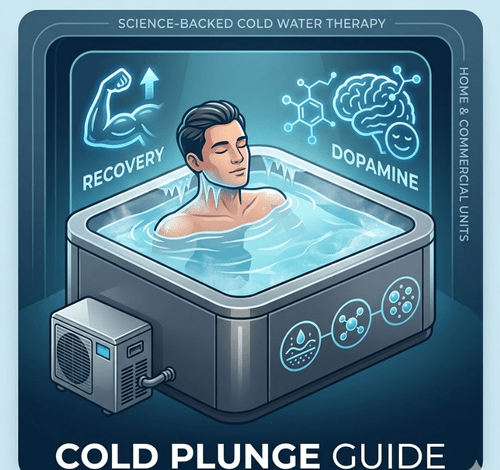
One of the most well-documented benefits of cold plunge therapy is its ability to accelerate muscle recovery following intense physical activity. When the body is exposed to cold water, blood vessels constrict in a process known as vasoconstriction. This helps reduce swelling and limits the inflammatory response that typically follows strenuous exercise.
Once the body begins to rewarm, blood flow increases again, flushing out metabolic waste products such as lactic acid. This cycle can significantly reduce delayed onset muscle soreness (DOMS), allowing individuals to return to training more quickly and with less discomfort. This is why recovery tubs are widely used in professional sports environments.
Reduction in Inflammation and Tissue Stress
Inflammation is a natural response to physical stress, but excessive or prolonged inflammation can hinder recovery and performance. Cold water therapy helps regulate this process by limiting the accumulation of inflammatory markers in the body.
By consistently using cold plunge tanks, individuals may experience reduced joint pain, improved mobility, and faster healing of minor injuries. This makes cold immersion particularly valuable for athletes, runners, and individuals engaged in high-intensity training programs.
Dopamine Release and Mental Resilience
Beyond physical recovery, cold plunge therapy has a profound effect on mental well-being. Exposure to cold water stimulates the release of dopamine, a neurotransmitter associated with motivation, focus, and mood regulation. Studies suggest that dopamine levels can increase significantly after cold exposure, creating a lasting sense of alertness and positivity.
Additionally, the act of voluntarily entering cold water builds mental toughness. It trains the nervous system to remain calm under stress, improving resilience and emotional control over time. This is one of the key reasons why cold water therapy is increasingly incorporated into daily routines for mental performance.
Buying Guide: Choosing the Right Cold Plunge Setup
Selecting the right setup for an ice bath at home requires a balance between budget, convenience, and long-term usability. The market offers a wide range of options, from simple inflatable tubs to advanced commercial cold plunge systems.
Portable and Budget-Friendly Tubs
Portable tubs are often the entry point for beginners exploring cold immersion. These lightweight, foldable units are easy to set up and store, making them ideal for small spaces or temporary use. However, they rely on manually adding ice to achieve the desired temperature, which can become inconvenient over time.
While they offer affordability and accessibility, maintaining a consistent temperature can be challenging, especially in warmer climates.
Chiller-Integrated Cold Plunge Tanks
For those seeking a premium experience, chiller-integrated systems provide unmatched convenience and performance. These advanced cold plunge tanks include a built-in water chiller for cold plunge, allowing users to precisely control and maintain water temperature without the need for ice.
These systems often include filtration technologies such as ozone or UV purification, ensuring clean and hygienic water for repeated use. Although the initial investment is higher, they are considered the best cold plunge for home gym setups due to their reliability and ease of use.
DIY Chest Freezer Conversions
A popular option among budget-conscious users is converting a chest freezer into a cold plunge. While this approach can achieve extremely low temperatures at a lower cost, it requires careful modification to ensure safety. Waterproof sealing, proper electrical insulation, and temperature control mechanisms are essential.
This option is generally recommended for experienced DIY enthusiasts rather than beginners.
Comparison Table: Chiller vs Ice Manual Systems
Feature
Chiller System
Ice Manual System
Temperature Control
Offers precise and consistent temperature regulation
Depends on ice availability, often inconsistent
Ease of Use
Fully automated, minimal effort required
Requires regular ice addition and monitoring
Long-Term Cost
Higher upfront cost but lower ongoing effort
Lower initial cost but recurring expense for ice
Hygiene & Filtration
Includes advanced filtration systems
Limited or no built-in filtration
Ideal User
Daily users, athletes, performance-focused individuals
Beginners or occasional users exploring cold exposure
Key Features to Look For in Cold Plunge Tanks
When evaluating different recovery tubs, it is important to focus on features that directly impact performance, safety, and long-term usability.
Temperature Range
A high-quality system should allow a temperature range between 3°C and 15°C. Beginners should start at the higher end of this range to allow gradual adaptation.
Filtration System
Advanced filtration systems, including ozone and UV purification, help maintain clean water over extended periods. This is particularly important for users who plan to use their tub frequently.
Insulation
Proper insulation ensures that the water remains cold for longer durations, reducing the need for constant cooling or ice replenishment. This is especially beneficial for outdoor setups.
Size and Comfort
The tub should comfortably accommodate your body, allowing full immersion up to the shoulders. Ergonomic design can significantly enhance the overall experience.
Step-by-Step Guide: How to Do a Cold Plunge for the First Time
Starting your first cold plunge session can feel intimidating, but following a structured approach can make the experience safe and effective.
Begin by setting the water temperature between 10°C and 15°C. This range is cold enough to trigger beneficial responses without overwhelming the body. As you enter the water, do so slowly to allow your system to adjust to the temperature change.
The initial shock response may cause rapid breathing, but this can be controlled by focusing on slow, deep breaths. Maintaining steady breathing is key to staying calm and extending your time in the water.
For your first few sessions, limit your exposure to one or two minutes. As your tolerance improves, you can gradually increase the duration. During the plunge, gentle movement of your hands and feet can help maintain circulation and reduce discomfort.
After exiting the tub, allow your body to warm up naturally. Avoid immediately jumping into a hot shower, as this can counteract some of the benefits of cold exposure.
Final Verdict: Is Cold Plunge Therapy Worth the Investment?
Cold plunge therapy is more than just a passing trend. It represents a scientifically supported approach to improving recovery, enhancing mental resilience, and optimizing overall performance. Whether you choose a simple portable tub or invest in a high-end commercial cold plunge, the key to success lies in consistency and proper usage.
For beginners, starting with a budget-friendly option is often the best approach. As your commitment grows, upgrading to a more advanced system with a built-in water chiller for cold plunge can significantly improve convenience and results.
Ultimately, the value of this investment depends on your goals. If you are serious about recovery, performance, and mental discipline, incorporating cold immersion into your routine can be a transformative decision.
Medical Disclaimer
This content is intended for informational purposes only and should not be considered medical advice. Always consult with a qualified healthcare professional before beginning cold water therapy, especially if you have underlying medical conditions such as cardiovascular issues, high blood pressure, or respiratory concerns.

Disclaimer: This website was created using Renderforest, but it is not operated or monitored by Renderforest. If you come across any abusive, inappropriate, or scam-related content, please report it immediately.